


Colorfastness is a crucial quality parameter for Jacquard seat fabric, especially when considering its long - term use in various environments. As a supplier of Jacquard seat fabric, understanding and ensuring high - level colorfastness is not only a technical challenge but also a key factor in meeting customer expectations.
What is Colorfastness?
Colorfastness refers to the ability of a fabric to retain its original color when exposed to different conditions such as light, washing, rubbing, and perspiration. For Jacquard seat fabric, which is often used in automotive seats, furniture, and public transportation, it is essential to maintain its color integrity over time.
There are several types of colorfastness that are particularly relevant to Jacquard seat fabric:
Light Colorfastness
Light is one of the most common factors that can cause color fading in fabrics. When Jacquard seat fabric is exposed to sunlight or artificial light for extended periods, the dyes in the fabric can break down, leading to a change in color. High - quality Jacquard seat fabric should have good light colorfastness to ensure that it does not fade significantly over time. For example, in automotive applications, where the seats are constantly exposed to sunlight, light - resistant dyes and proper finishing processes are used to enhance light colorfastness.
Washing Colorfastness
Washing is another important factor that affects colorfastness. When Jacquard seat fabric is laundered, the dyes may bleed or transfer to other fabrics, resulting in a loss of color or staining. Good washing colorfastness means that the fabric can withstand multiple washing cycles without significant color change. This is especially important for seat fabric used in furniture that may need to be cleaned regularly to maintain hygiene.
Rubbing Colorfastness
Rubbing can also cause color loss in Jacquard seat fabric. In daily use, the seats are subject to friction from people sitting, getting up, and moving around. If the fabric has poor rubbing colorfastness, the color may transfer to clothing or other surfaces, which is not only aesthetically unpleasing but also indicates a lower quality of the fabric. To improve rubbing colorfastness, manufacturers often use special dyes and finishing techniques to ensure that the color adheres firmly to the fabric fibers.
Perspiration Colorfastness
In some applications, such as automotive and sports furniture, the seat fabric may come into contact with perspiration. Perspiration contains various chemicals and salts that can react with the dyes in the fabric, causing color change. High - quality Jacquard seat fabric should have good perspiration colorfastness to prevent color fading or discoloration due to sweat.
Factors Affecting Colorfastness of Jacquard Seat Fabric
Dye Type
The type of dye used in Jacquard seat fabric plays a significant role in determining its colorfastness. Different dyes have different chemical properties and levels of affinity for the fabric fibers. For example, reactive dyes form a chemical bond with the fabric fibers, resulting in better colorfastness compared to some other types of dyes. Disperse dyes are commonly used for synthetic fibers and can provide good light and washing colorfastness.

Fabric Fiber
The type of fiber in the Jacquard seat fabric also affects colorfastness. Natural fibers such as cotton and silk have different dye - absorption characteristics compared to synthetic fibers like polyester and nylon. Synthetic fibers generally have better colorfastness to light and washing because they are more resistant to chemical and physical damage. However, they may have different requirements for dyeing processes to achieve optimal color results.
Dyeing Process
The dyeing process is crucial for achieving good colorfastness. Proper dyeing techniques, including the selection of dyeing temperature, time, and pH value, can ensure that the dyes are evenly distributed and firmly attached to the fabric fibers. In addition, post - dyeing treatments such as washing, soaping, and fixing can further enhance colorfastness. For example, a well - controlled dyeing process can prevent dye migration and improve the overall colorfastness of the fabric.
Finishing Treatment
Finishing treatments can also improve the colorfastness of Jacquard seat fabric. For example, the application of a protective coating or a water - repellent finish can prevent the penetration of water and chemicals, reducing the risk of color fading. Some finishing agents can also enhance the adhesion of dyes to the fabric fibers, improving rubbing and washing colorfastness.
Testing Colorfastness of Jacquard Seat Fabric
To ensure the quality of Jacquard seat fabric, various testing methods are used to evaluate its colorfastness. These tests are usually carried out according to international standards such as ISO (International Organization for Standardization) and AATCC (American Association of Textile Chemists and Colorists).
Light Fastness Testing
Light fastness testing involves exposing the fabric samples to a specific light source for a certain period of time and then comparing the color change with a standard scale. The light source can be a xenon arc lamp or a carbon arc lamp, which simulates natural sunlight. The degree of color change is evaluated based on the gray scale for assessing change in color.
Washing Fastness Testing
Washing fastness testing is carried out by washing the fabric samples under specific conditions, such as using a standard detergent, a certain temperature, and a specific number of washing cycles. After washing, the color change of the fabric and the staining of adjacent fabrics are evaluated using a gray scale for assessing change in color and a gray scale for assessing staining.
Rubbing Fastness Testing
Rubbing fastness testing is performed by rubbing the fabric sample with a standard rubbing cloth under a specified pressure and number of rubs. The color transfer from the fabric to the rubbing cloth is then evaluated using a gray scale for assessing staining.
Perspiration Fastness Testing
Perspiration fastness testing involves soaking the fabric samples in a simulated perspiration solution and then subjecting them to specific conditions such as temperature and humidity. After treatment, the color change of the fabric is evaluated using a gray scale for assessing change in color.
Our Commitment as a Jacquard Seat Fabric Supplier
As a supplier of Jacquard seat fabric, we are committed to providing high - quality products with excellent colorfastness. We use advanced dyeing and finishing technologies to ensure that our fabrics meet or exceed international standards for colorfastness. Our R & D team is constantly working on improving the colorfastness of our products by exploring new dye types, optimizing dyeing processes, and developing innovative finishing treatments.
In addition to our focus on colorfastness, we also offer a wide range of Jacquard seat fabric designs to meet the diverse needs of our customers. Whether it is for automotive, furniture, or public transportation applications, we can provide customized solutions to ensure that our customers get the best - fitting products.
We also have a strict quality control system in place to ensure that every batch of fabric we produce meets our high - quality standards. From raw material inspection to final product testing, we conduct comprehensive quality checks to ensure that our Jacquard seat fabric has excellent colorfastness and other performance characteristics.
Related Products
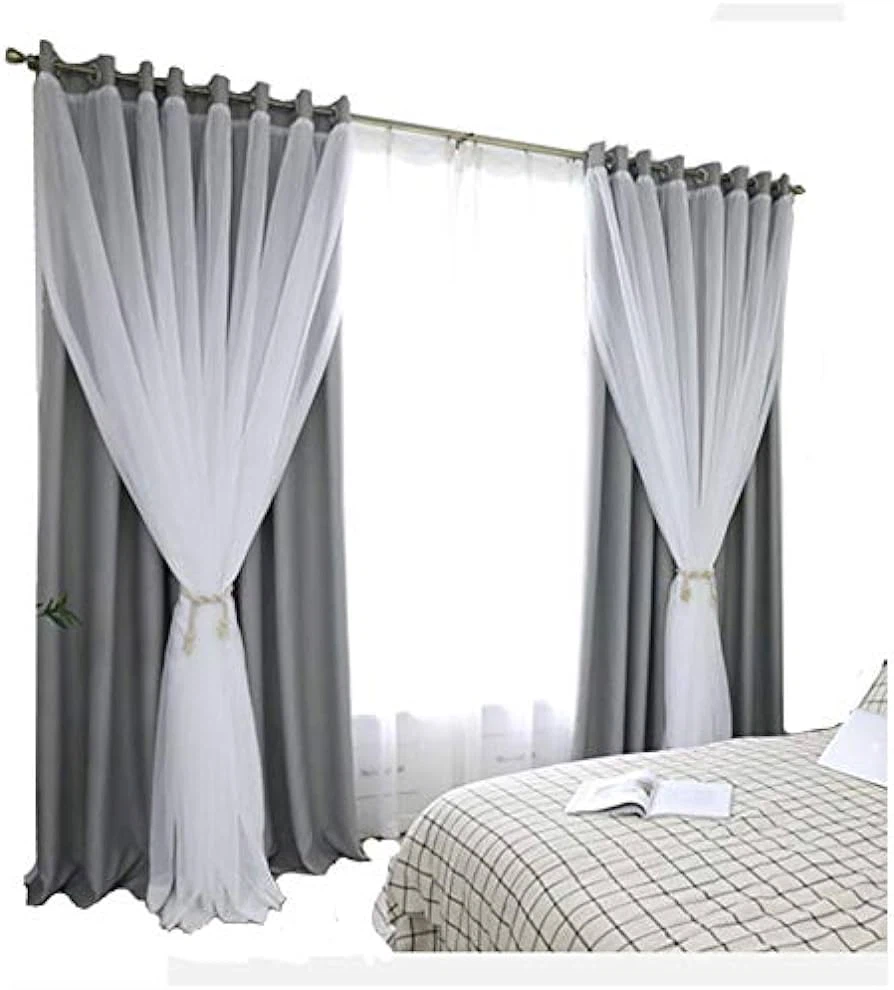
If you are interested in other textile products, we also offer Double Blackout Curtains, Black Out Fabric For Windows, and Printing Curtain Fabric. These products also undergo strict quality control to ensure high - level performance.
Contact Us for Purchase and Negotiation
If you are in the market for high - quality Jacquard seat fabric with excellent colorfastness, we invite you to contact us for purchase and negotiation. Our sales team is ready to provide you with detailed product information, samples, and competitive pricing. We believe that our products can meet your requirements and provide long - term value for your applications.
References
- ISO standards for textile colorfastness testing.
- AATCC technical manuals on textile colorfastness evaluation.
- Textile chemistry textbooks for in - depth understanding of dye - fiber interactions and colorfastness mechanisms.