


When it comes to the comfort and functionality of train seats, the choice of fabric plays a pivotal role. As a trusted Train Seat Fabric supplier, I understand the intricacies involved in selecting the right fabric for a specific train model. In this blog post, I will share valuable insights and considerations to help you make an informed decision.
Understanding the Train Model
Before delving into fabric selection, it is essential to have a comprehensive understanding of the specific train model. Different train models have distinct requirements based on factors such as usage frequency, passenger capacity, and intended routes. For instance, high - speed trains that cover long distances may require fabrics that can withstand continuous wear and tear, while commuter trains with high passenger turnover need easy - to - clean and stain - resistant materials.
Key Factors in Fabric Selection
Durability
Durability is perhaps the most crucial factor when choosing train seat fabric. Trains are subject to heavy use, with passengers constantly sitting, standing, and moving around. The fabric should be able to resist abrasion, pilling, and tearing. High - quality polyester blends are often a popular choice due to their excellent durability. They can withstand the rigors of daily use and maintain their appearance over an extended period. For example, a well - made polyester - based fabric can last for several years in a busy commuter train environment.
Comfort
Passenger comfort is of utmost importance. The fabric should have a soft and pleasant feel against the skin. Natural fibers like cotton can provide a high level of comfort, as they are breathable and hypoallergenic. However, pure cotton may not be as durable as synthetic blends. A good compromise is a fabric that combines the comfort of cotton with the durability of polyester. This type of blend can offer a soft touch while still being able to withstand the demands of train travel.
Cleanability
Train seats are prone to getting dirty, whether it's from spills, dirt, or general wear. The fabric should be easy to clean to maintain a hygienic and presentable appearance. Fabrics with stain - resistant treatments are highly desirable. Some fabrics can be simply wiped clean with a damp cloth, while others may require more thorough cleaning methods. For example, a fabric with a tight weave can prevent dirt from penetrating deeply, making it easier to clean.
Flame Resistance
Safety is a top priority in train design. Train seat fabrics must meet strict flame - resistance standards. Flame - retardant fabrics can significantly reduce the risk of fire spreading in the event of an emergency. These fabrics are treated with special chemicals that inhibit combustion. As a supplier, we ensure that all our fabrics comply with relevant safety regulations to provide a safe environment for passengers.
Aesthetics
The appearance of the train seats also matters. The fabric should complement the overall interior design of the train. Solid colors can give a clean and modern look, while patterns can add a touch of personality. You can explore options like the Solid Color Curtain Fabric for a simple and elegant aesthetic, or the Printing Wall Fabric if you want to make a bolder statement. Additionally, the color and texture of the fabric can influence the perceived comfort and quality of the seats.
Cost - Effectiveness
Balancing quality and cost is essential. While high - end fabrics may offer superior performance, they may also come with a higher price tag. It's important to find a fabric that meets your requirements without breaking the budget. As a supplier, we offer a range of fabrics at different price points, allowing you to choose the one that best fits your financial constraints.
Compatibility with Train Design
The fabric should be compatible with the train's seat design. Consider the shape, size, and construction of the seats. Some seats may have complex contours, and the fabric should be able to conform to these shapes without wrinkling or bunching. For example, a stretchy fabric can be a good choice for seats with curved backs or armrests.
Testing and Certification
Before finalizing a fabric, it is advisable to conduct thorough testing. This can include abrasion testing, colorfastness testing, and flame - resistance testing. Additionally, look for fabrics that have relevant certifications, such as ISO standards or industry - specific safety certifications. These certifications ensure that the fabric meets the required quality and safety benchmarks.
Case Studies
Let's take a look at a couple of case studies to illustrate the importance of choosing the right fabric.

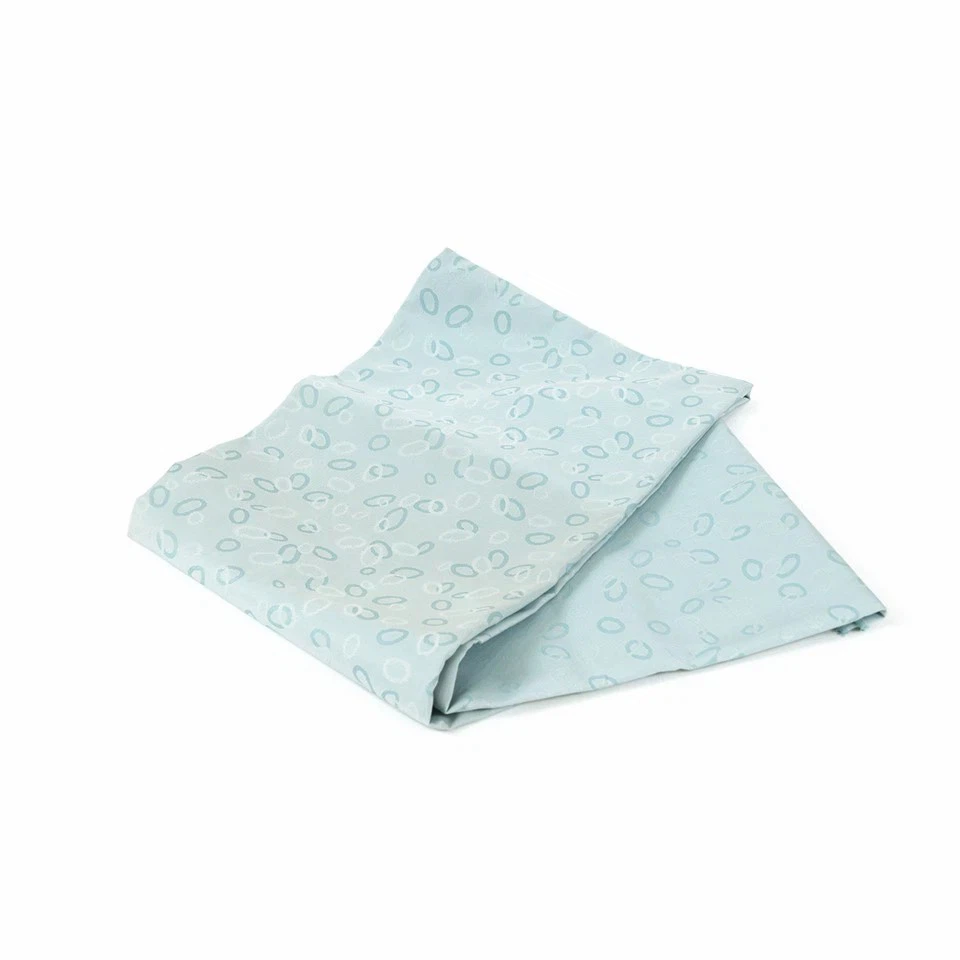
Case Study 1: High - Speed Train
A high - speed train operator was looking for a fabric that could withstand the high - speed vibrations and frequent use. They initially considered a pure cotton fabric for its comfort but soon realized that it would not be durable enough. After consulting with us, they opted for a polyester - cotton blend fabric. This fabric offered a good balance of comfort and durability. It was also treated with a stain - resistant coating, making it easy to clean. The new fabric has been in use for several years, and the seats still look and feel great.
Case Study 2: Commuter Train
A commuter train service needed a fabric that could handle the high volume of passengers and quick turnovers. They required a fabric that was easy to clean and had good flame - resistance. We recommended a vinyl - coated fabric. This fabric was extremely durable, easy to wipe clean, and met all the necessary safety standards. The commuter train seats have been using this fabric for a while, and it has proven to be a cost - effective and practical solution.
Conclusion
Choosing the right train seat fabric for a specific train model is a complex process that requires careful consideration of multiple factors. As a Train Seat Fabric supplier, we are committed to providing high - quality fabrics that meet the diverse needs of our customers. Whether you are looking for durability, comfort, cleanability, or a combination of these factors, we have the expertise and products to help you make the right choice.
If you are interested in learning more about our train seat fabrics or would like to discuss your specific requirements, please feel free to reach out. We are here to assist you in finding the perfect fabric for your train seats.
References
"Textile Testing and Quality Control" by John W. S. Hearle
"Fire Safety in Transportation" by National Fire Protection Association