


It's made from Inherently polyester flame retardant materials. It bear water washing more than 200 times, soft handle,Our flame-retardant fabrics are engineered to provide superior protection against fire, but still be breathable.
Why Choose Us
Rich Experience
Our company specialized in producing flame-retardant textiles for more than 25 years. The materials are 100% inherently flame-retardant polyester and Modacrylic. We own FR labs and testing equipment, and more than 10 well-experienced FR engineers, developed many new FR products for airplanes, trains, hotels, hospitals, furniture factories, etc.
Comprehensive and Customized Service
Our company's platform can also provide follow-up, in-depth services and customized services based on customer needs so that customers have a good shopping experience.
Complete Qualification
At present, the company has more than 30 core technologies and 30 authorized patents. The company has passed OEKO-TEX100 system certification, ISO9001 quality system certification, ISO14001 environmental system certification, occupational health and safety management system certification, and energy management system certification.
Quality Assurance
Our products have passed a variety of SGS flame retardant tests, They are widely used in aerospace, Orbit transportation, the high-end medical industry, and other fields. At the same time, the company through innovative integration, energy-saving environment-friendly modern enterprise.

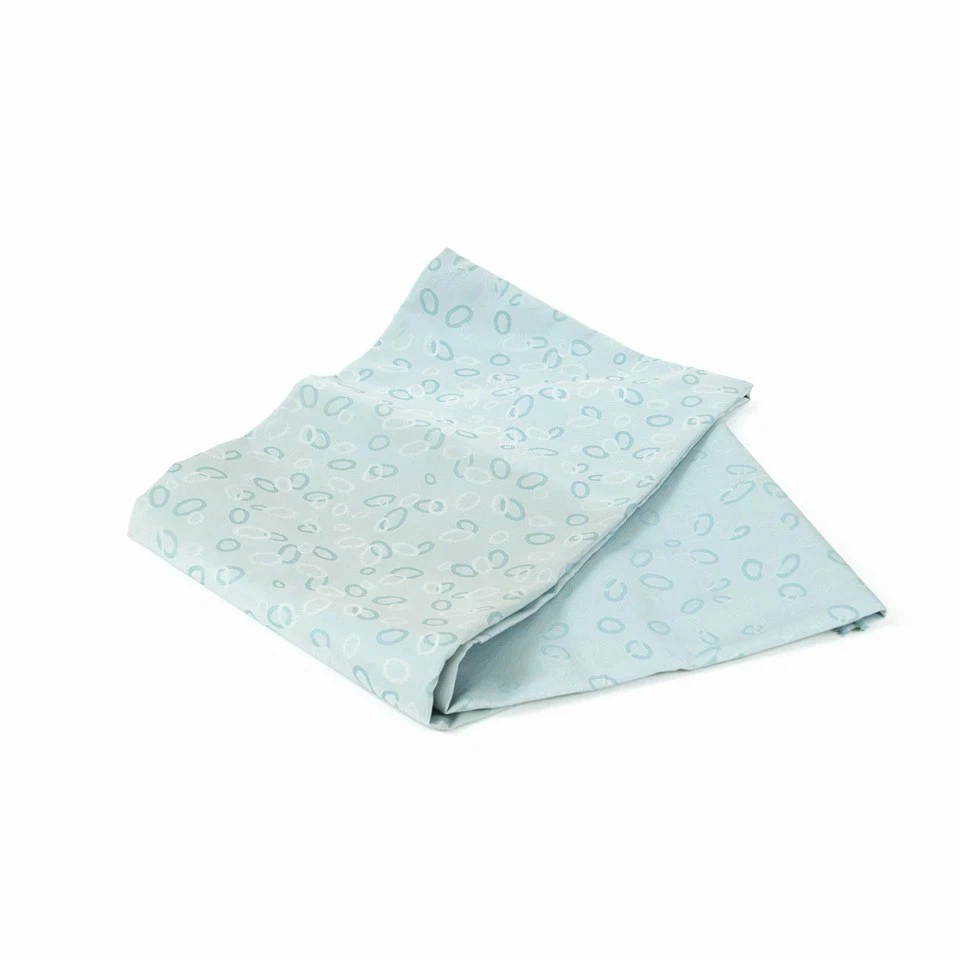


Inherently Flame Retardant
The flame retardant properties of this fabric come from the chemical properties of its raw materials. Inherently Polyester Flame Retardant Fabric is made with flame retardant ingredients that are added during the fiber production process, which gives the fabric an inherent flame retardant ability. Unlike traditional flame retardant treated fabrics, this inherent flame retardant property does not diminish with washing or use, providing long-term fire protection.
Excellent Durability
The fabric is made of polyester fibers, which have excellent abrasion resistance and strength. The structure of polyester fibers allows the fabric to maintain stable performance and appearance when subjected to daily use and friction. In addition, the wrinkle resistance and high durability of polyester fibers ensure that the fabric retains its shape and appearance over long-term use.
Good Breathability
Inherently Polyester Flame Retardant Fabric is not only flame resistant, but also provides good breathability. Its fiber structure allows air to circulate, helping to regulate temperature and improve wearing comfort. This feature is particularly suitable for environments where it needs to be worn for a long time, such as work clothes, hotel and public places. Upholstery fabrics.
Easy to Maintain
The cleaning and maintenance of this fabric is relatively simple. Since polyester fiber has good water and stain resistance, the fabric can withstand multiple washings without affecting its fire resistance. It is recommended to use mild detergent and cold water for washing to protect the texture and color of the fabric. During the drying process, high temperatures should be avoided to prevent damage to the fabric.
What are Fire Retardant Fabrics Made From and How are They Classified?
There are essentially two types of FR fabrics. Those that are Inherently Fire Retardant because of naturally-occurring properties in the fibres, and those that are chemically treated to create FR properties. Inherently Fire Retardant (IFR) fabrics can be made from wool, silk or polyester. All FR-One fabrics are made from a 100% polyester yarn which is inherently Fire Retardant and is suitable for a wide variety of applications.
The textile industry classifies fabrics into six different types, depending on their flammability…
Fire Retardant (FR): Fabrics that are fire retardant or resistant through topical treatment, adhering to the NFPA 701 (National Fire Protection Association) guidelines.
Inherently Fire Retardant (IFR): Fabrics that are Fire Retardant without requiring any additional chemical treatment. These fabrics uphold the NFPA 701 standard.
Non-Fire Retardant (NFR): Fabrics that are not in any way fire-resistant or Fire Retardant.
Durably Fire Retardant (DFR): Synthetic fabrics that are considered flame retardant for a lifetime. Washing or cleaning these fabrics does not affect their fire resistance.
Can Be Made Fire Retardant (CBFR): Fabrics that can be treated to become flame retardant.
Cannot Be Made Fire Retardant (CNFR): Fabrics that cannot be processed or treated to become fire resistant. Not suitable for use in public spaces.
Wool – Considered as the most fire-retardant natural fiber, it does not easily ignite or catch fire and it is capable of putting out smaller flames on its own. It has a slow-burning rate.
Silk – This fabric burns extremely slow. It does not easily ignite or catch flames and can be capable of extinguishing small flames on its own, depending on the situation.
Acrylic – It is a fire retardant fabric and does not easily ignite. It requires a higher temperature and longer time of exposure to catch fire compared to other natural fibers, but once it catches fire it may burn vigorously and will melt and drip.
Nylon – Slow to ignite, however, when ignited, severe melting can occur.
Polyester – A naturally fire retardant fabric, it resists ignition. However, once ignited, the fabric will melt but this occurs in high temperatures.

Treated Flame Retardant Vs Inherent Flame Retardant
Treated flame retardants are chemicals that are applied to the surface of the textile material in order to make it more resistant to fire. These chemicals can be applied through various methods such as coating, impregnating, or spraying. The chemicals work by releasing gases or creating a barrier that prevents the spread of fire. The gases released by the chemicals help to cool the surface of the material, which slows down the rate of combustion, while the barrier created by the chemicals prevents the fire from reaching the interior of the material, which limits the amount of fuel available for the fire to burn.
Inherent flame retardant technical textiles, on the other hand, are materials that are naturally resistant to fire and do not require any additional treatment. These materials are made from fibers that are inherently flame-resistant, such as fiberglass, aramid, and some types of polyester and nylon. These materials are able to resist fire because of their chemical composition and high melting points. They do not release gases or create a barrier like treated flame retardants do, but they instead create a char layer that protects the inside of the material from the fire, and this char layer can also insulate the material, slowing down the fire.
Inherent flame retardants are considered to be more effective than treated flame retardants because they do not require additional processing steps and they are often more durable and long-lasting. Also, treated flame retardants can lose their effectiveness over time or can be washed or worn off, while inherent flame retardants remain effective throughout the life of the product.
Maintaining flame retardant fabrics is essential to ensure their effectiveness and prolong their lifespan. Here are three maintenance tips for flame retardant fabrics:
Regular cleaning: Regularly cleaning flame retardant fabrics is important to remove dirt, dust, and other contaminants that can affect their performance. Follow the manufacturer's instructions for cleaning, which may involve machine washing, hand washing, or spot cleaning. Avoid using harsh chemicals, bleach, or fabric softeners as they can diminish the flame retardant properties. Opt for mild detergents specifically designed for flame retardant fabrics.
Avoid excessive heat: Flame retardant fabrics can be sensitive to high temperatures, so it's important to avoid exposing them to excessive heat sources. Keep them away from open flames, stovetops, heaters, or other heat-emitting devices. Excessive heat can compromise the flame retardant properties and potentially damage the fabric.
Periodic reapplication of flame retardant treatment: Over time and with frequent cleaning, the flame retardant properties of the fabric may diminish. Check with the manufacturer or a professional service provider about the possibility of reapplying the flame retardant treatment. They can advise you on the appropriate methods and products to use for restoring or maintaining the flame retardant capabilities of the fabric.
Flame Retardant Fabrics: What's the Difference between FR, IFR, DFR and NFR Fabrics?
FR fabrics are woven from threads that do not meet fire codes, but are topically treated with a flame retarding chemical so that the end product meets fire safety codes. Before the fabric is treated, it is defined as "NFR" or "non flame retardant." Once the fabric has been correctly treated, it can be labeled "FR."
The FR chemicals are dissolved in water and then introduced to the fabric by spraying or dipping. Once the fabric dries from this application process, the FR chemical remains adhered to the fibers of the fabric, making the fabric flame retardant, but possibly on a temporary basis. Any future wetting of the fabric will dissolve the chemical and likely remove all or portions of the chemical from the fabric. This renders all or portions of the fabric NFR. When this happens, the fabric should be thoroughly washed (with water) and then re-treated to restore the flame resistance.
A fabric is categorized as IFR if woven with threads that yield a product that meets fire code standards, without being subject to any special processing or addition of chemicals. IFR fabrics are expected to remain flame retardant for their lifetime, even after repeated washings. The "inherently flame retardant" phrase has been used in this manner for nearly a century now.
In earlier days, the only fabrics that were flame resistant for a lifetime were IFR fabrics sewn with fibers derived from asbestos and fiberglass. Over time, manufacturers and chemists developed textiles from polymer extruded filament fibers (nylon and polyester), along with additives that chemically bind to the fibers that provide flame resistance and do not react to water. It essentially renders these fabrics flame resistant for a lifetime.
While there are chemical solvents that can alter the flame resistant properties of these fabrics, such chemicals are not usually encountered when fabrics are used as draperies or decorations. Since these treated fabrics will remain fire resistant for a lifetime under normal circumstances, the industry labels them "durably flame retardant."
Our Factory
DT-TEX is a high-tech enterprise focusing on new flame retardant materials for more than 25 years, committed to bringing green, safe, and healthy flame retardant textiles into every family, and every public place, to make the world safer. The main products include high-performance flame-retardant textiles, flame-retardant composite materials, and flame-retardant nylon products. Our products have passed a variety of SGS flame retardant tests, They are widely used in aerospace, Orbit transportation, the high-end medical industry, and other fields. Our high-performance flame retardant textiles have reached the international GB8965-98 requirements, at the same time They meet the European Union "EN470, EN470-1, EN533, EN531, BS5852" and domestic railway flame retardant standard TB3237, oxygen index (LOI) & GT reach to 32%, Our flame retardant composite new material technology innovation level reached the domestic advanced Level.
FAQ