


When it comes to train seating, the choice of fabric is not just about aesthetics; it's a crucial decision that impacts comfort, durability, and safety. As a seasoned train seat fabric supplier, I've witnessed firsthand the diverse range of fabrics used in the railway industry. In this blog post, I'll delve into the different types of train seat fabric, their unique characteristics, and why they are suitable for various train seating applications.
1. Polyester Fabric
Polyester is one of the most commonly used fabrics in train seats, and for good reason. It is known for its exceptional durability, resistance to wear and tear, and ease of maintenance. Polyester fibers are strong and can withstand the constant friction and pressure that train seats endure daily. This makes it an ideal choice for high - traffic trains, such as commuter trains and long - distance express trains.
Another advantage of polyester fabric is its resistance to stains and fading. It can be easily cleaned with mild detergents, and its color remains vibrant even after repeated washings. This is particularly important in a train environment where spills and dirt are inevitable. Polyester fabrics can also be engineered to have flame - retardant properties, which is a critical safety requirement in the railway industry.
2. Wool Fabric
Wool is a natural fiber that offers a luxurious feel and excellent insulation properties. Train seats made of wool are not only comfortable but also provide a certain level of warmth, making them suitable for trains operating in colder climates. Wool is also highly breathable, which helps to regulate temperature and reduce moisture build - up, ensuring a more comfortable seating experience for passengers.
In addition to its comfort features, wool has inherent flame - retardant properties. It has a high ignition temperature and self - extinguishes when the source of fire is removed. This makes it a safe choice for train seating. However, wool is more expensive than polyester and requires more delicate care. It is often used in premium train carriages where comfort and a high - end look are prioritized.
3. Leather and Faux Leather
Leather is a classic choice for train seats, especially in first - class and luxury train cars. It exudes a sense of elegance and sophistication, and its smooth surface is easy to clean. Real leather is highly durable and can last for many years with proper maintenance. It also ages gracefully, developing a rich patina over time.
On the other hand, faux leather, also known as synthetic leather, is a more affordable alternative to real leather. It can mimic the look and feel of leather while offering some additional benefits. Faux leather is often more resistant to stains and scratches than real leather, and it can be engineered to have flame - retardant properties. It is also a more ethical choice for those who prefer not to use animal products. However, faux leather may not have the same long - term durability as real leather and may start to show signs of wear after a few years.
4. Jacquard Fabric
Jacquard fabric is a type of woven fabric that features intricate patterns and designs. It is created using a special weaving technique that allows for the production of complex and detailed patterns. Jacquard fabrics can add a touch of style and uniqueness to train seats. They are available in a wide range of colors and patterns, from traditional to modern, allowing train operators to customize the look of their seats to match the overall interior design of the train.
In addition to its aesthetic appeal, jacquard fabric can be made from various fibers, including polyester and wool, which means it can inherit the durability and other properties of these fibers. If you are interested in jacquard fabric wall coverings, you can visit Jacquard Fabric Wall Covering for more information.
5. Faux Linen and Double Blackout Curtains for Train Interior
While not strictly seat fabrics, faux linen and double blackout curtains play an important role in the overall train interior. Faux linen curtains can add a natural and rustic touch to the train cabin, creating a more inviting atmosphere. They are often used in combination with train seats to enhance the overall aesthetic. Faux linen is also more affordable and easier to maintain than real linen. You can find more details about Faux Linen Blackout Curtains.
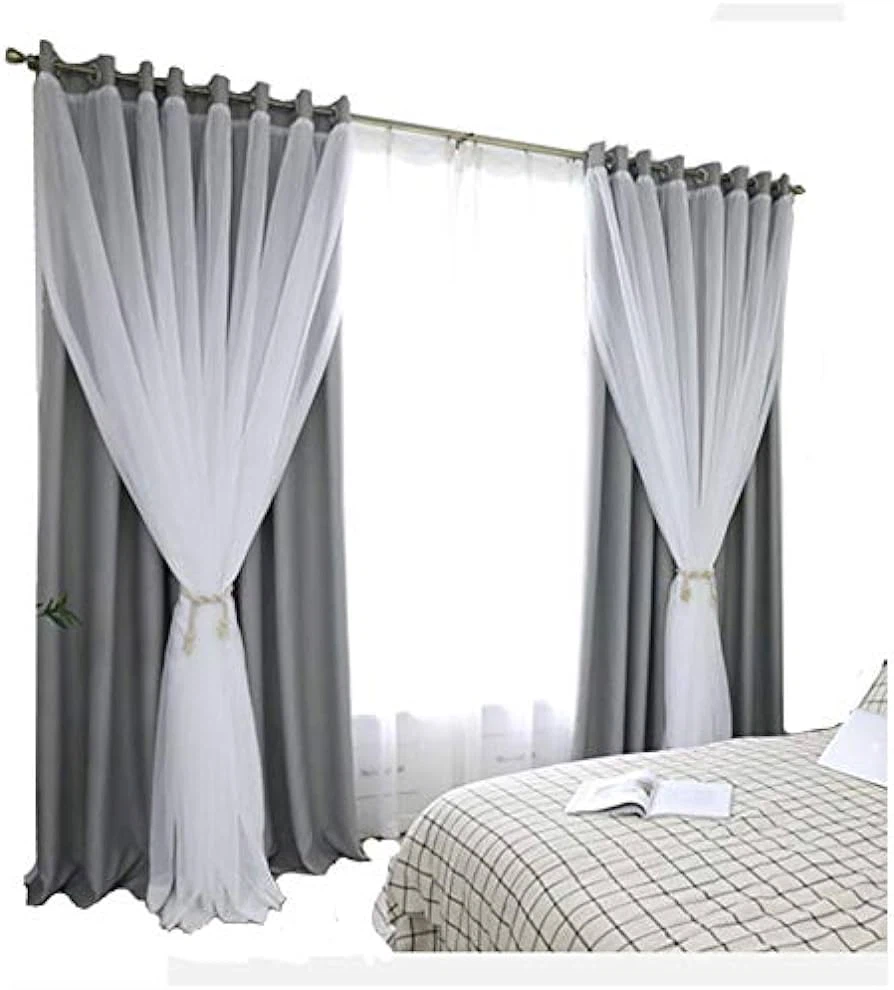

Double blackout curtains, on the other hand, are designed to block out light completely. They are useful in trains where passengers may want to rest or sleep during the journey. These curtains can also help to regulate the temperature inside the train by reducing the amount of sunlight that enters. For more information on Double Blackout Curtains, feel free to click the link.
6. Nylon Fabric
Nylon is a synthetic fiber that is known for its high strength and abrasion resistance. Train seats made of nylon can withstand heavy use and are less likely to develop holes or tears. Nylon is also lightweight, which can contribute to the overall weight reduction of the train, leading to potential energy savings.
Nylon fabrics can be treated to be water - resistant, which is beneficial in case of spills or wet weather. They can also be engineered to have flame - retardant properties. Nylon is often used in combination with other fibers to enhance the performance of the train seat fabric.
7. Acrylic Fabric
Acrylic fabric is a synthetic fiber that resembles wool in appearance and feel. It is lightweight, soft, and has good insulation properties. Acrylic is also resistant to fading, mildew, and insects, making it a practical choice for train seats. It is relatively easy to clean and maintain, and it can be produced at a lower cost compared to wool.
Acrylic fabrics can be made to have flame - retardant properties, which is essential for train safety. They are often used in train seats where a wool - like look and feel are desired without the high cost and maintenance requirements of real wool.
Conclusion
Choosing the right train seat fabric is a complex decision that involves considering factors such as comfort, durability, safety, and cost. Each type of fabric has its own unique characteristics and advantages, and the choice depends on the specific requirements of the train operator and the type of train service.
As a train seat fabric supplier, I am committed to providing high - quality fabrics that meet the strict safety and performance standards of the railway industry. Whether you are looking for a durable polyester fabric for a commuter train or a luxurious wool fabric for a premium carriage, I can offer a wide range of options to suit your needs.
If you are interested in learning more about our train seat fabrics or would like to discuss your specific requirements, please feel free to contact us. We are always ready to assist you in finding the perfect fabric for your train seats.
References
- Railway Industry Safety Standards Handbook
- Textile Fibers: Properties and Applications by John Smith
- The Art of Train Interior Design by Emily Brown