


As a supplier of Jacquard Seat Fabric, I've encountered numerous challenges and queries from our clients over the years. One of the most frequent concerns is color transfer. Color transfer can significantly impact the quality and appearance of the seat fabric, leading to customer dissatisfaction and potential loss of business. In this blog, I'll share some effective strategies on how to prevent color transfer from Jacquard Seat Fabric.
Understanding the Causes of Color Transfer
Before we delve into prevention methods, it's crucial to understand what causes color transfer. There are several factors that can contribute to this issue:
- Poor Dye Fastness: If the dyes used in the Jacquard Seat Fabric are not of high quality or are not properly fixed, they can easily bleed and transfer to other surfaces. This is especially common when the fabric comes into contact with moisture, heat, or friction.
- Friction: When the seat fabric rubs against other materials, such as clothing or other fabrics, the friction can cause the dyes to transfer. This is often seen in high - traffic areas of seats, where people frequently sit and move.
- Moisture: Water or other liquids can act as a medium for dye transfer. If the fabric gets wet, the dyes can dissolve and spread to adjacent surfaces. This can happen due to spills, sweating, or exposure to humid environments.
Prevention Strategies
1. Select High - Quality Dyes and Dyeing Processes
- Choose Reputable Dye Suppliers: Work with well - known dye manufacturers that offer high - quality dyes with excellent color fastness properties. These dyes are more resistant to bleeding and transfer, ensuring the long - term color stability of your Jacquard Seat Fabric.
- Opt for Advanced Dyeing Techniques: Modern dyeing processes, such as high - temperature dyeing or digital printing, can provide better color penetration and fixation. These techniques help the dyes bond more securely to the fabric fibers, reducing the risk of color transfer.
2. Pre - Treatment of the Fabric
- Scouring and Bleaching: Before dyeing, thoroughly scour and bleach the fabric to remove any impurities, such as dirt, oil, or natural waxes. This ensures better dye absorption and fixation, improving the overall color fastness of the fabric.
- Mordanting: Mordants are substances that can help the dyes bind more tightly to the fabric fibers. Using appropriate mordants during the dyeing process can enhance the color fastness and reduce the likelihood of color transfer.
3. Post - Treatment of the Fabric
- Fixation Agents: Apply fixation agents after dyeing to further secure the dyes to the fabric fibers. These agents can form a protective layer around the dyes, preventing them from bleeding or transferring.
- Waterproof and Stain - Resistant Finishes: Treat the Jacquard Seat Fabric with waterproof and stain - resistant finishes. These finishes can repel water and other liquids, reducing the risk of dye transfer caused by moisture. They also make the fabric easier to clean, minimizing the need for harsh cleaning methods that could potentially damage the dyes.
4. Proper Handling and Care Instructions
- Provide Clear Care Labels: Include detailed care instructions on the product labels. Inform customers about the proper cleaning methods, such as using mild detergents, avoiding excessive heat, and not over - scrubbing the fabric. This can help prevent color transfer during normal use and cleaning.
- Educate Customers: In addition to the care labels, provide educational materials or online resources to help customers understand how to take care of their Jacquard Seat Fabric. This can include tips on preventing spills, choosing the right cleaning products, and storing the fabric properly.
5. Testing and Quality Control
- Regular Testing: Conduct regular color fastness tests on your Jacquard Seat Fabric. These tests can simulate real - life conditions, such as rubbing, washing, and exposure to light and heat. By monitoring the color fastness of your products, you can identify any potential issues early and take corrective actions.
- Quality Assurance Checks: Implement strict quality control measures throughout the manufacturing process. Inspect the fabric at every stage, from raw material selection to the final product, to ensure that it meets the required color fastness standards.
The Importance of Color Transfer Prevention in the Market
Preventing color transfer is not only important for maintaining the quality of your Jacquard Seat Fabric but also for your business reputation. Customers expect their seat fabrics to retain their original color and appearance over time. If color transfer occurs, it can lead to negative reviews, returns, and loss of trust in your brand.
On the other hand, by providing high - quality, color - fast Jacquard Seat Fabric, you can differentiate your products from competitors. This can attract more customers, increase customer loyalty, and ultimately drive sales.
Related Products and Their Significance
In addition to Jacquard Seat Fabric, we also offer other related products such as Jacquard Fabric Wall Covering, Printed Sofa Fabric, and Printed Knitting Fabric. These products also face similar color transfer challenges, and the prevention strategies mentioned above can be applied to them as well.
Jacquard Fabric Wall Covering can add a touch of elegance to any interior space. However, color transfer can mar its aesthetic appeal. By ensuring high - color fastness, we can provide a long - lasting and beautiful wall covering solution for our customers.
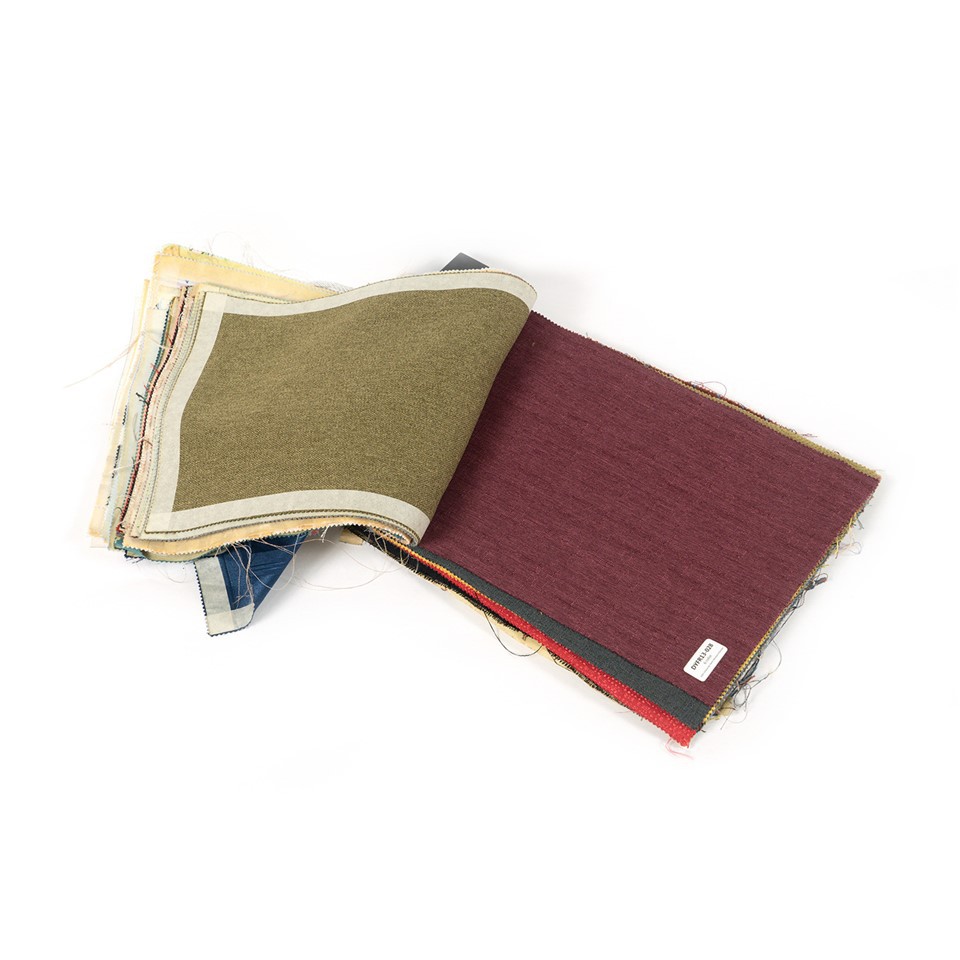

Printed Sofa Fabric and Printed Knitting Fabric are widely used in the furniture and fashion industries. Color transfer can make these fabrics look worn out and unappealing. By preventing color transfer, we can offer products that maintain their vibrant colors and high - quality appearance for a longer time.
Contact for Procurement
If you're interested in our Jacquard Seat Fabric or any of our other products, we encourage you to reach out for procurement and further discussions. We're committed to providing high - quality fabrics with excellent color fastness properties. Our team of experts is ready to assist you in finding the right solutions for your specific needs.
References
- "Textile Dyeing and Finishing" by Lewis M. Patterson
- "Color Fastness in Textiles: Principles and Testing Methods" by John W. S. Hearle