


When it comes to interior decoration, printing wall fabric has emerged as a popular choice for adding personality and style to any space. As a leading supplier of high-quality printing wall fabric, I understand the importance of not only choosing the right fabric design but also considering how it interacts with different lighting conditions. In this blog post, I'll share some insights on how to pair printing wall fabric with various lighting scenarios to create the perfect ambiance in your space.
Understanding the Basics of Lighting and Fabric Interaction
Lighting plays a crucial role in how we perceive colors and patterns on printing wall fabric. Different types of lighting, such as natural light, warm artificial light, and cool artificial light, can significantly affect the appearance of the fabric.
Natural light is the most dynamic form of lighting, as it changes throughout the day. It can bring out the true colors and details of the printing wall fabric, especially in the morning and late afternoon when the light is softer. However, direct sunlight can cause fading over time, so it's important to choose fabric with good colorfastness if the wall will be exposed to direct sunlight.
Warm artificial light, typically produced by incandescent or halogen bulbs, emits a yellowish glow that can make colors appear warmer and more inviting. This type of light is ideal for creating a cozy and intimate atmosphere in living rooms, bedrooms, and dining areas. When paired with printing wall fabric, warm light can enhance earthy tones, such as browns, oranges, and reds, making them look richer and more vibrant.
Cool artificial light, on the other hand, is often produced by fluorescent or LED bulbs and has a bluish tint. It can make colors appear cooler and more energetic, which is great for spaces that require a more stimulating environment, such as offices, kitchens, and bathrooms. Cool light can also enhance the clarity of patterns on the printing wall fabric, making them stand out more.
Pairing Printing Wall Fabric with Different Lighting Conditions
1. Bright Natural Light Spaces
If your room receives a lot of natural light, you have the opportunity to showcase bold and colorful printing wall fabric designs. The bright light will bring out the vividness of the colors and the intricacy of the patterns. Consider choosing fabric with large-scale prints or high-contrast designs to make a statement. For example, a geometric print in bright primary colors or a floral pattern with rich, saturated hues can look stunning in a sunlit room.

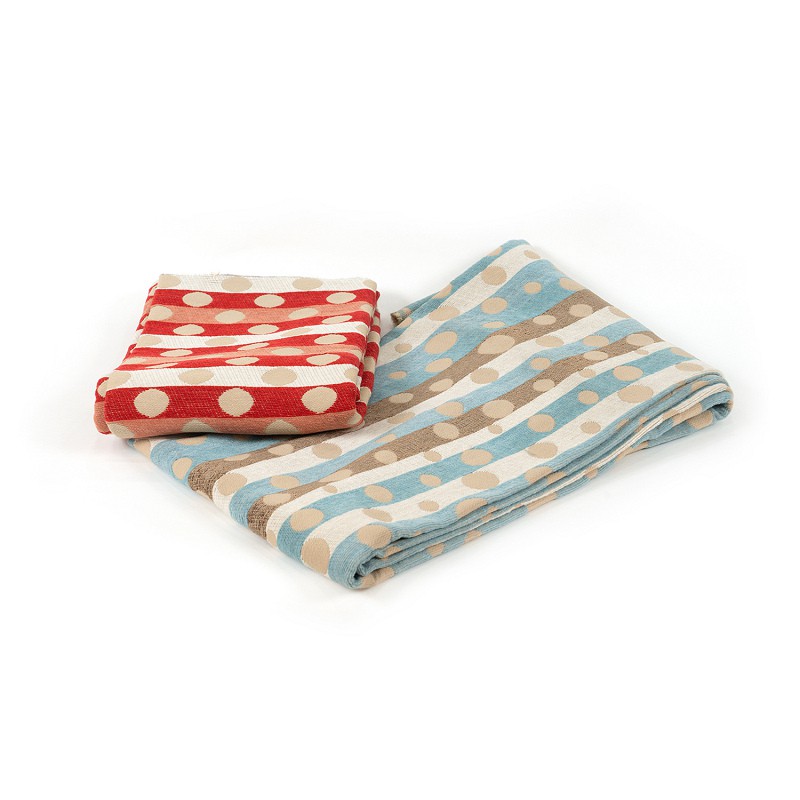
However, be mindful of the fabric's colorfastness, as prolonged exposure to direct sunlight can cause fading. Look for fabric that is treated with UV-resistant coatings or made from materials that are known for their color retention, such as polyester or nylon. Additionally, you can use window treatments, such as blinds or curtains, to control the amount of sunlight that enters the room and protect the fabric from fading.
2. Low Natural Light Spaces
In rooms with limited natural light, it's important to choose printing wall fabric that can brighten up the space and create a sense of openness. Light-colored fabrics with soft, pastel tones can reflect light and make the room feel more spacious and airy. For example, a fabric with a delicate floral print in shades of pink, lavender, or mint green can add a touch of elegance and freshness to a dimly lit room.
You can also opt for fabric with metallic accents or reflective elements, such as gold or silver foil prints, to add a bit of sparkle and shine. These elements can catch the light and create a visually interesting effect, even in low-light conditions. Another option is to choose fabric with a textured surface, which can help to scatter light and create a more dynamic look.
3. Warm Artificial Light Spaces
As mentioned earlier, warm artificial light can create a cozy and inviting atmosphere. When pairing printing wall fabric with warm light, choose colors and patterns that complement the warm glow. Earthy tones, such as browns, beiges, and terracottas, work well in this type of lighting, as they can enhance the sense of warmth and comfort.
For a more traditional look, consider fabric with a classic damask or toile pattern in warm colors. These patterns have a timeless appeal and can add a touch of elegance to any room. If you prefer a more contemporary style, you can choose fabric with a modern geometric print or a bold abstract design in warm hues.
4. Cool Artificial Light Spaces
Cool artificial light is great for creating a fresh and energetic atmosphere. When using this type of light, choose printing wall fabric with cool colors, such as blues, greens, and purples. These colors can help to create a calming and relaxing environment, which is ideal for bedrooms, bathrooms, and offices.
For a sleek and modern look, consider fabric with a minimalist print or a monochromatic design in cool tones. You can also choose fabric with a high-tech or futuristic pattern, such as a digital print or a holographic effect, to add a touch of innovation and style.
Other Considerations
In addition to the lighting conditions, there are a few other factors to consider when choosing printing wall fabric.
1. Room Function
The function of the room should also influence your choice of fabric. For example, in a bedroom, you may want to choose fabric that is soft and soothing, while in a living room, you may want to choose fabric that is more durable and easy to clean. In a commercial space, such as a restaurant or a hotel, you may need to choose fabric that meets certain fire safety standards.
2. Furniture and Decor
The furniture and decor in the room should also be taken into account when choosing printing wall fabric. The fabric should complement the existing color scheme and style of the room. For example, if you have a lot of wooden furniture in the room, you may want to choose fabric with warm, earthy tones to match. If you have a modern and minimalist decor style, you may want to choose fabric with a simple and clean design.
3. Personal Style
Ultimately, your personal style should be the guiding factor in choosing printing wall fabric. Whether you prefer a traditional, contemporary, or eclectic style, there is a printing wall fabric design that can suit your taste. Don't be afraid to experiment with different colors, patterns, and textures to create a unique and个性化 space that reflects your personality.
Conclusion
Pairing printing wall fabric with different lighting conditions is an art that requires careful consideration of the fabric's colors, patterns, and textures, as well as the type and intensity of the light. By understanding how lighting affects the appearance of the fabric, you can create a harmonious and visually appealing environment in any room.
As a supplier of high-quality printing wall fabric, I am committed to providing my customers with a wide range of options to choose from. Whether you are looking for a bold and colorful design or a soft and subtle pattern, I have the perfect fabric for your project. If you have any questions or need further assistance in choosing the right printing wall fabric for your space, please don't hesitate to contact me. I would be happy to help you create the perfect interior design.
In addition to printing wall fabric, we also offer a variety of other high-quality textile products, such as Aircraft Seat Fabric, Printing Seat Fabric, and Printing Curtain Fabric. These products are designed to meet the highest standards of quality and performance, and they are suitable for a wide range of applications.
If you are interested in learning more about our products or would like to discuss a potential project, please contact us today. We look forward to working with you to create the perfect interior design solution for your needs.
References
- Interior Design: Principles and Practices by Francis D. K. Ching
- Lighting Basics: A Guide to Understanding Lighting Design by Jennifer K. Speers
- Textiles for Interior Design by Linda K. Wooley