


Yo, what's up! As a supplier of train seat fabric, I've spent a ton of time thinking about how our train seat fabric stacks up against aircraft seat fabric. It's a topic that might not seem super exciting at first, but trust me, there's a lot more to it than you'd think.
Let's start with the basics. One of the most obvious differences between train and aircraft seat fabric is the environment they're used in. Trains, for the most part, have a more relaxed and less pressurized environment compared to airplanes. Planes fly at high altitudes where the air is thin and the pressure is different from what we're used to on the ground. This means that aircraft seat fabric has to be able to withstand these extreme conditions without losing its integrity.
On the other hand, train seat fabric mainly needs to deal with the wear and tear of daily use on the ground. People are constantly sitting, moving around, and sometimes even spilling stuff on the seats. So, durability is a huge factor for train seat fabric. We need to make sure that it can last through years of heavy use, resist stains, and still look good.
When it comes to materials, both train and aircraft seat fabrics are often made from high - quality synthetic materials. But the specific types can vary. Aircraft seat fabric might use materials that are lighter in weight to help reduce the overall weight of the plane, which in turn saves fuel. For example, some aircraft seat fabrics are made from lightweight polyester blends. These materials are not only light but also have good resistance to fire, which is a crucial safety requirement in aviation.
Train seat fabric, while also using synthetic materials, might focus more on comfort and durability. We often use materials like nylon and polyester blends, which are known for their strength and ability to resist abrasion. These materials can handle the constant rubbing and friction that comes with people getting on and off the seats all day long.
Another important aspect is the design and aesthetics. Aircraft seats usually have a more streamlined and modern look to fit in with the overall design of the plane's interior. The color schemes are often more subdued and uniform to create a calm and professional atmosphere. Train seats, however, can have a wider range of designs and colors. Depending on the train's theme or the region it operates in, we can offer a variety of patterns and colors. For instance, if a train is promoting tourism in a particular area, we might create seat fabric with prints that represent the local culture or scenery.
Now, let's talk about some of the products we offer as a train seat fabric supplier. We have a great selection of Solid Color Printed Fabric Curtains. These fabrics are not only suitable for curtains but can also be used in some train seat designs to add a touch of elegance. The solid colors give a clean and sophisticated look, while the prints can add a bit of personality.
Our Printed Knitting Fabric is another popular choice. Knitting fabric is known for its stretch and comfort, making it perfect for seats where people will be sitting for long periods. The prints can be customized according to the customer's requirements, whether it's a simple geometric pattern or a more elaborate design.
And then there's our Jacquard Fabric Wall Covering. Although it's mainly used as wall covering, it can also be incorporated into the overall train interior design, including the seats. Jacquard fabrics are known for their intricate patterns and high - end look, which can really elevate the style of a train.
In terms of cost, aircraft seat fabric is generally more expensive. The strict safety regulations, the need for lightweight materials, and the high - tech manufacturing processes all contribute to the higher price tag. Train seat fabric, while still of high quality, can be more cost - effective. This is because the requirements are a bit less extreme, and we can use more common materials without sacrificing too much in terms of quality.
When it comes to maintenance, both types of fabric need to be cleaned regularly. Aircraft seat fabric has to be cleaned using special methods and products to ensure that it doesn't damage the fabric or affect its safety properties. Train seat fabric, on the other hand, can usually be cleaned with more common cleaning agents. We design our train seat fabric to be easy to clean, so that it can be kept in good condition with minimal effort.

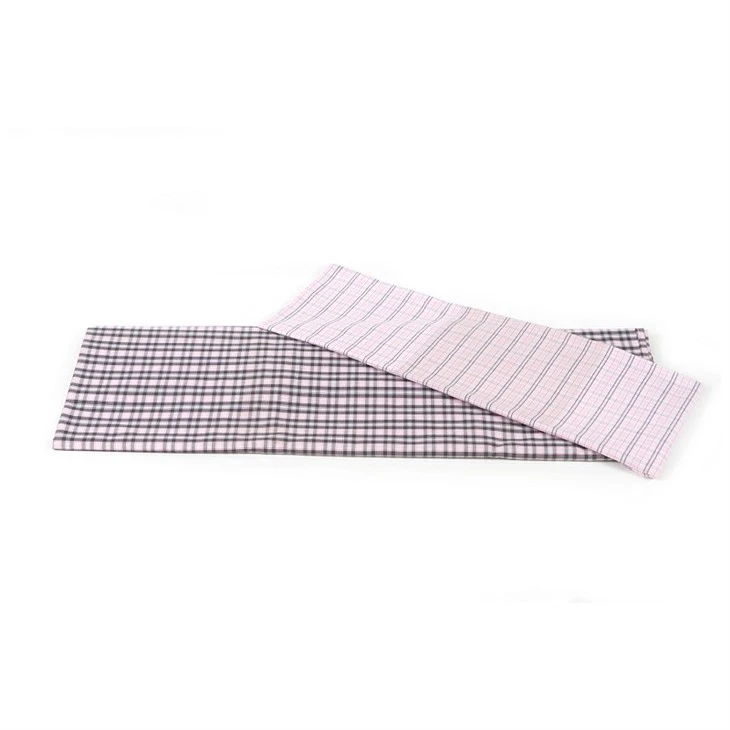
In conclusion, while there are some similarities between train seat fabric and aircraft seat fabric, there are also significant differences. Each type of fabric is designed to meet the specific needs of its environment. As a train seat fabric supplier, we focus on providing high - quality, durable, and stylish fabric that can enhance the comfort and appearance of train seats.
If you're in the market for train seat fabric, whether you're a train operator, a designer, or someone involved in the transportation industry, I'd love to talk to you. We can discuss your specific requirements, show you our product samples, and work together to create the perfect fabric for your trains. Don't hesitate to reach out and start a conversation about your train seat fabric needs.
References
- Textile Industry Reports on Train and Aircraft Interior Fabrics
- Studies on Durability and Safety of Transportation Seat Fabrics