


As a supplier of Jacquard Seat Fabric, I often encounter various questions from customers, and one frequent inquiry is whether Jacquard Seat Fabric has a strong odor. In this blog post, I'll delve into this topic, providing a scientific and detailed analysis to help you understand the odor situation of Jacquard Seat Fabric.
Understanding Jacquard Seat Fabric
Jacquard Seat Fabric is a type of fabric known for its intricate and detailed patterns created through a special weaving technique. It is widely used in the automotive, furniture, and aviation industries due to its aesthetic appeal and durability. The fabric is made from different fibers such as cotton, polyester, or a blend of both, and each fiber type can have an impact on the fabric's odor characteristics.
Factors Affecting the Odor of Jacquard Seat Fabric
- Raw Materials
The type of raw materials used in Jacquard Seat Fabric plays a significant role in determining its odor. Natural fibers like cotton are generally odor - free or have a very mild, natural smell. Cotton is a breathable fiber, and when used in Jacquard Seat Fabric, it allows air to circulate, reducing the likelihood of odor buildup.
On the other hand, synthetic fibers such as polyester may have a slightly different odor profile. Polyester is a petroleum - based fiber, and during the manufacturing process, some chemicals are used. These chemicals can leave a faint odor on the fabric, especially right after production. However, high - quality polyester fibers are often treated to minimize this odor. For more information on polyester - based fabrics, you can visit our page on Inherently Polyester Flame Retardant Fabric.
- Dyeing and Finishing Processes
The dyeing and finishing processes are crucial steps in creating the vibrant colors and desired properties of Jacquard Seat Fabric. Dyes and finishing agents contain chemicals that can potentially cause an odor. For example, some low - quality dyes may release volatile organic compounds (VOCs), which can result in a strong, unpleasant smell.
However, at our company, we use environmentally friendly dyes and finishing agents. These products are carefully selected to meet strict environmental standards, minimizing the release of harmful chemicals and reducing the likelihood of a strong odor. We also ensure that the fabric undergoes a thorough washing and drying process after dyeing and finishing to remove any residual chemicals.
- Storage and Transportation
The way the Jacquard Seat Fabric is stored and transported can also affect its odor. If the fabric is stored in a humid or poorly ventilated environment, it can develop a musty smell. Similarly, during transportation, if the fabric is packed tightly in a container without proper ventilation, the odor can be trapped and become more noticeable.
To prevent this, we store our Jacquard Seat Fabric in a clean, dry, and well - ventilated warehouse. During transportation, we use appropriate packaging materials that allow air circulation and protect the fabric from moisture and other contaminants.
Odor Testing and Quality Control
As a responsible supplier, we take odor issues very seriously. We have a comprehensive quality control system in place to ensure that our Jacquard Seat Fabric meets the highest standards.
-
Odor Testing
We conduct regular odor tests on our Jacquard Seat Fabric samples. These tests are carried out in a controlled environment using specialized equipment. The samples are evaluated based on a set of criteria, including the intensity and type of odor. If any sample fails the odor test, it will not be released for sale. -
Quality Assurance
Our quality assurance team closely monitors every stage of the production process, from raw material selection to the final product. We work with trusted suppliers to source high - quality raw materials and ensure that all manufacturing processes are carried out in accordance with strict quality standards. This helps us maintain the quality and odor - free nature of our Jacquard Seat Fabric.
How to Deal with Minor Odors
In some rare cases, you may notice a very faint odor when you first receive the Jacquard Seat Fabric. This is usually due to the residual chemicals from the manufacturing process and is not a cause for concern. Here are some simple steps you can take to eliminate the odor:

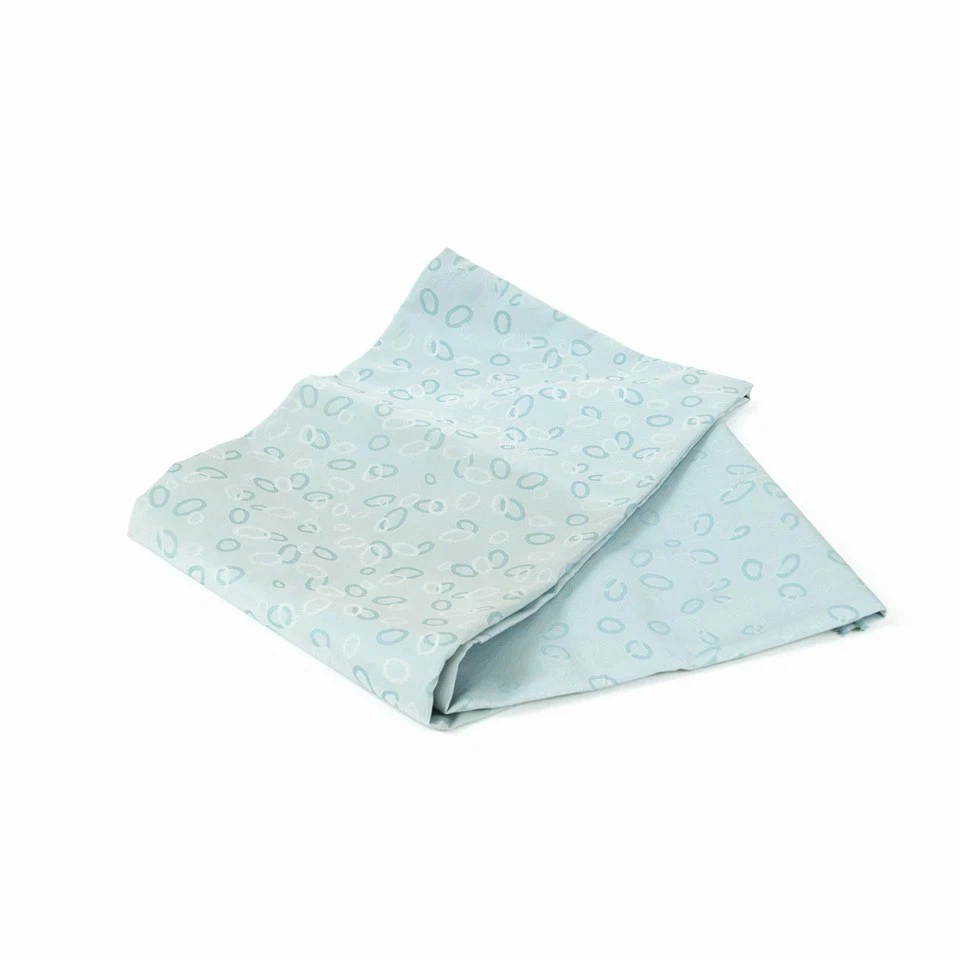
-
Ventilation
The easiest way to get rid of the odor is to let the fabric air out. Hang the fabric in a well - ventilated area, preferably outdoors, for a few hours. The fresh air will help disperse the odor molecules. -
Washing
If the odor persists, you can wash the fabric according to the care instructions. Use a mild detergent and cold water. Avoid using harsh chemicals or bleach, as they may damage the fabric. After washing, dry the fabric in a well - ventilated area.
Conclusion
In general, high - quality Jacquard Seat Fabric should not have a strong odor. By using high - quality raw materials, environmentally friendly dyes and finishing agents, and implementing strict quality control measures, we can ensure that our Jacquard Seat Fabric is odor - free or has only a very faint, natural smell.
If you are in the market for Jacquard Seat Fabric, we invite you to contact us for more information. Our team of experts is ready to assist you with your specific needs and provide you with the best products. Whether you are in the automotive, furniture, or aviation industry, our Jacquard Seat Fabric can meet your requirements in terms of both quality and aesthetics.
We also offer a wide range of other textile products, such as Printing Screen Fabric and Linen Curtains With Blackout Lining. If you have any questions or would like to discuss a potential purchase, please don't hesitate to reach out. We look forward to the opportunity to work with you and provide you with the highest quality textile solutions.
References
- Textile Research Journal. (20XX). "Analysis of Odor - related Factors in Textile Manufacturing".
- Journal of Environmental Science and Health. (20XX). "Impact of Dyeing and Finishing Processes on Textile Odor".