


Can train seat fabric be used for other purposes?
As a supplier of Train Seat Fabric, I've often pondered the versatility of the materials we offer. Train seat fabrics are designed to meet stringent requirements, including durability, comfort, and safety. These qualities make them a candidate for various alternative uses beyond their primary application in train carriages.
Characteristics of Train Seat Fabric
Train seat fabrics are engineered to endure heavy use. They are exposed to constant friction from passengers sitting, standing, and moving in and out of seats. This means they are typically made from high - quality fibers that can resist wear and tear. For example, many train seat fabrics are woven from strong synthetic fibers such as polyester. Polyester is known for its excellent strength and resistance to stretching and shrinking. It also has good colorfastness, which means it can maintain its appearance even after long - term exposure to sunlight and frequent cleaning.
In addition to durability, safety is a top priority for train seat fabrics. They need to be flame - retardant to prevent the spread of fire in case of an emergency. Our Train Seat Fabric meets strict fire safety standards, which is a crucial characteristic that can also be valuable in other applications.
Comfort is another important aspect. Train passengers expect to have a pleasant sitting experience, so the fabric must be soft to the touch and breathable. Breathable fabrics allow air to circulate, preventing the build - up of heat and moisture, which can make the seating area uncomfortable.
Alternative Uses for Train Seat Fabric
Interior Decor
One of the most obvious alternative uses for train seat fabric is in interior decor. The durability and aesthetic appeal of these fabrics make them suitable for a variety of home and commercial interior applications.

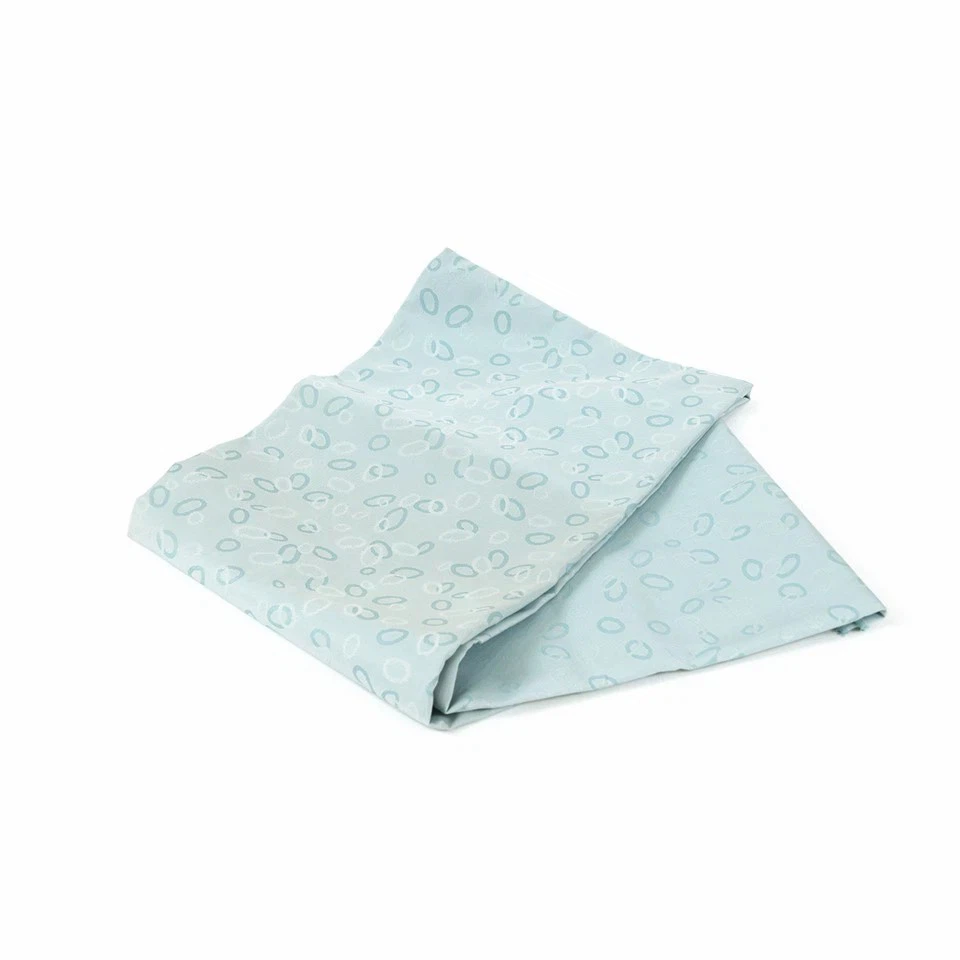
Upholstery: Train seat fabric can be used to re - upholster furniture such as sofas, chairs, and ottomans. Its high - wear resistance means that it can withstand the daily use that furniture endures in a living room or office setting. For example, a busy family room sofa that is constantly used by children and pets would benefit from the tough and stain - resistant properties of train seat fabric.
Curtains and Drapes: The flame - retardant feature of train seat fabric makes it an interesting option for curtains and drapes, especially in public buildings or areas where fire safety is a concern. Our Linen Curtains With Blackout Lining showcases how a fabric with similar safety features can be used in window treatments. Train seat fabric can be designed in various patterns and colors to match different interior design styles, adding both functionality and style to a room.
Wall Coverings: In some modern interior design concepts, fabric is used as a wall covering. Train seat fabric can create a unique and textured look on walls, while also providing some level of sound insulation due to its thickness and density.
Automotive Seating
The automotive industry also has similar requirements to the railway industry when it comes to seat fabrics. Automobile seats need to be durable, comfortable, and safe. Train seat fabric can potentially be used in automotive seating, especially in high - end or heavy - use vehicles such as limousines, taxis, or commercial vans. The flame - retardant property is a significant advantage, as it helps meet the safety regulations in the automotive sector.
Marine Seating
Boats and yachts require seat fabrics that can withstand harsh environmental conditions, including exposure to saltwater, sunlight, and moisture. Train seat fabric's durability and resistance to fading make it a potential candidate for marine seating. The fabric can be treated to be more water - resistant, and its flame - retardant quality is also an important safety feature in a marine environment where fire can be extremely dangerous.
Advantages of Using Train Seat Fabric for Other Purposes
Cost - effectiveness
Using train seat fabric for alternative purposes can be cost - effective. Since these fabrics are often mass - produced for the railway industry, the economies of scale can result in lower costs compared to some specialized fabrics designed specifically for other applications. For businesses or individuals looking for high - quality, durable fabrics at a reasonable price, train seat fabric can be a great option.
Quality Assurance
As a supplier, we ensure that our train seat fabric meets strict quality control standards. When using this fabric for other purposes, customers can be confident in its performance. The fabric has been tested for durability, fire safety, and comfort, so it is more likely to meet the requirements of alternative applications.
Environmental Considerations
By finding alternative uses for train seat fabric, we can contribute to reducing waste. Instead of discarding excess or outdated fabric, we can extend its lifespan and give it a new purpose. This is in line with the growing trend of sustainable and circular economy practices, where resources are used more efficiently.
Challenges and Considerations
While there are many potential uses for train seat fabric, there are also some challenges and considerations.
Customization
Some alternative applications may require specific customization of the fabric. For example, in automotive or marine seating, the fabric may need to be cut and shaped differently, and it may need additional treatments such as water - repellent or anti - microbial coatings. As a supplier, we are able to work with customers to provide customized solutions to meet these requirements.
Regulatory Compliance
Different industries have different regulatory requirements. While train seat fabric meets railway safety standards, it may need to be tested and certified to meet the specific regulations of other industries. For example, in the automotive industry, there are specific standards for seat fabric flammability, toxicity, and durability. We can assist customers in navigating these regulatory processes to ensure that the fabric is compliant.
Conclusion
In conclusion, train seat fabric has great potential for use in a variety of alternative applications beyond the railway industry. Its durability, safety features, and comfort make it suitable for interior decor, automotive seating, marine seating, and more. As a supplier, we are committed to exploring these alternative uses and providing high - quality, customizable fabric solutions to our customers. If you are interested in using our Train Seat Fabric for other purposes or have any questions about our products, please feel free to contact us to discuss your specific needs and start a procurement negotiation.
References
- General knowledge about fabric properties and industry standards in railway, automotive, and interior design.
- Research on sustainable and circular economy practices in the textile industry.