


Can I print on heat - resistant screen fabric?
As a seasoned supplier of Printing Screen Fabric, I often receive inquiries from clients regarding the feasibility of printing on heat - resistant screen fabric. This question is not only relevant to those in the textile industry but also to designers, artists, and various businesses looking to create unique products. In this blog post, I'll delve into the technical aspects, advantages, and limitations of printing on heat - resistant screen fabric.
Understanding Heat - Resistant Screen Fabric
Heat - resistant screen fabric is a specialized type of textile designed to withstand high temperatures without significant deformation or damage. These fabrics are typically made from materials such as fiberglass, aramid fibers, or other synthetic polymers known for their thermal stability. They are used in a variety of applications, including industrial screening, filtration, and protective clothing.
The heat - resistant properties of these fabrics are crucial in environments where exposure to high temperatures is common. For example, in manufacturing processes involving furnaces, welding, or heat treatment, heat - resistant screen fabric can act as a barrier to protect workers and equipment from excessive heat.
Printing Techniques on Heat - Resistant Screen Fabric
When it comes to printing on heat - resistant screen fabric, several techniques can be considered. Each method has its own set of advantages and limitations, and the choice depends on factors such as the type of fabric, the desired print quality, and the volume of production.
-
Screen Printing Screen printing is a popular method for printing on various fabrics, including heat - resistant screen fabric. In this process, a stencil is created on a mesh screen, and ink is forced through the open areas of the stencil onto the fabric. Screen printing allows for the use of a wide range of inks, including those that are heat - resistant. This is important because the fabric may be exposed to high temperatures during its use, and the print needs to remain intact. One of the advantages of screen printing is its ability to produce bold, vibrant colors and sharp images. It is also suitable for large - scale production, as the same screen can be used to print multiple copies of the same design. However, screen printing may require a significant setup time, especially for complex designs, and it may not be the most cost - effective option for small - quantity orders.
-
Digital Printing Digital printing has become increasingly popular in recent years due to its flexibility and high - quality output. In digital printing, the design is directly printed onto the fabric using a digital printer. This method offers several advantages, including the ability to print complex designs with high resolution and the ability to print small quantities without incurring high setup costs. When printing on heat - resistant screen fabric, digital printing can be a good option if the fabric is compatible with the printer's inks. Some digital printers use water - based inks, which may not be suitable for all heat - resistant fabrics. However, there are also solvent - based and UV - curable inks available that offer better adhesion and durability on heat - resistant materials.
-
Heat Transfer Printing Heat transfer printing involves transferring a design from a transfer paper to the fabric using heat and pressure. This method is commonly used for printing on textiles, as it allows for the creation of detailed and colorful designs. When printing on heat - resistant screen fabric, heat transfer printing can be a viable option, provided that the fabric can withstand the heat required for the transfer process. One of the advantages of heat transfer printing is its ability to produce high - quality prints with a wide range of colors and effects. However, it may not be suitable for all types of heat - resistant fabrics, as some fabrics may be damaged by the high temperatures used in the transfer process.
Advantages of Printing on Heat - Resistant Screen Fabric
Printing on heat - resistant screen fabric offers several advantages, both for the end - user and the manufacturer.

-
Durability Since heat - resistant screen fabric is designed to withstand high temperatures, the prints on these fabrics are also likely to be more durable. This is especially important in applications where the fabric is exposed to harsh environments, such as industrial settings or outdoor use. The prints are less likely to fade, crack, or peel, ensuring that the design remains visible and attractive for a longer period of time.
-
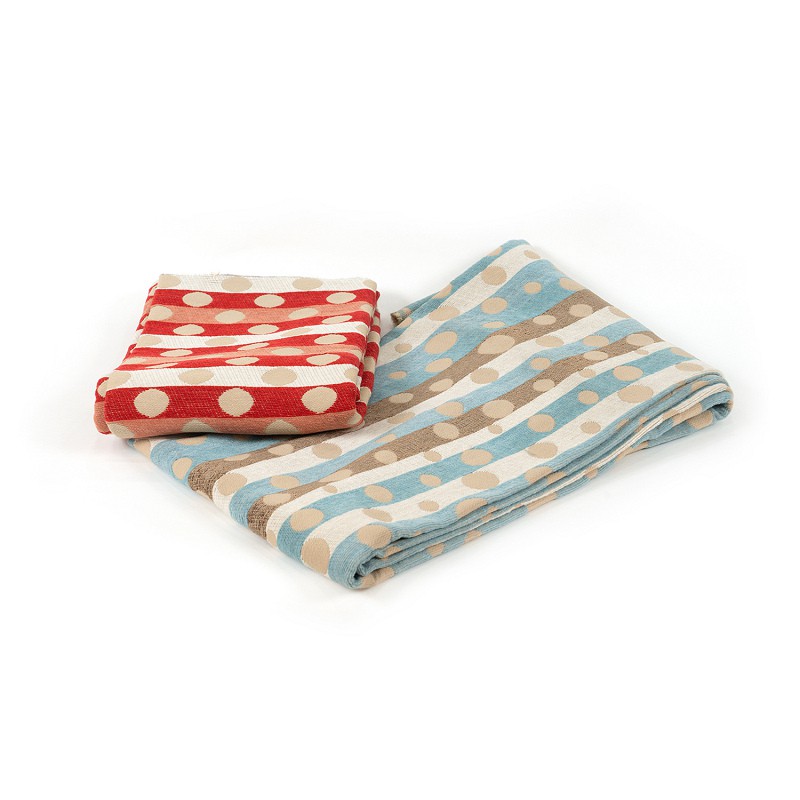
Versatility Heat - resistant screen fabric can be used in a wide range of applications, and printing on it allows for the customization of these products. For example, in the industrial sector, printed heat - resistant screen fabric can be used for equipment covers, safety signs, or conveyor belts. In the consumer market, it can be used for fashion items, home decor, or promotional products.
-
Branding and Identification Printing on heat - resistant screen fabric provides an effective way to brand products or identify specific items. Companies can print their logos, slogans, or product information on the fabric, making it easier for customers to recognize and remember their brand. This is particularly important in competitive markets, where branding can give a company a competitive edge.
Limitations and Challenges
While printing on heat - resistant screen fabric offers many advantages, there are also some limitations and challenges that need to be considered.
-
Compatibility Not all printing methods and inks are compatible with heat - resistant screen fabric. Some fabrics may require special pre - treatment or the use of specific inks to ensure proper adhesion and durability. It is important to test the printing process on a small sample of the fabric before proceeding with large - scale production.

-
Cost Printing on heat - resistant screen fabric can be more expensive than printing on regular fabrics. This is due to the higher cost of the heat - resistant fabric itself, as well as the specialized printing equipment and inks required. For small - quantity orders, the cost may be prohibitive, but for large - scale production, the cost per unit may be more manageable.
-
Technical Expertise Printing on heat - resistant screen fabric requires a certain level of technical expertise. The printer needs to understand the properties of the fabric and the printing process to ensure that the prints are of high quality and durable. This may require additional training or the hiring of experienced printers.

Our Product Range and Applications
As a Printing Screen Fabric supplier, we offer a wide range of heat - resistant screen fabrics suitable for various printing techniques. Our fabrics are made from high - quality materials and are tested to ensure their heat - resistant properties.
In addition to heat - resistant screen fabric, we also supply other types of fabrics, such as Jacquard Wall Fabric, Printing Seat Fabric, and Black Tulle Curtains. These fabrics are also available for printing, allowing our customers to create unique and customized products.
Our heat - resistant screen fabrics can be used in a variety of applications, including industrial screening, filtration, protective clothing, and decorative purposes. Whether you are a manufacturer looking to print your brand logo on equipment covers or an artist looking to create a unique textile art piece, we have the right fabric and printing solution for you.
Conclusion
In conclusion, printing on heat - resistant screen fabric is possible, but it requires careful consideration of the printing method, ink, and fabric compatibility. While there are some challenges and limitations, the advantages of printing on heat - resistant screen fabric, such as durability, versatility, and branding opportunities, make it a viable option for many applications.
If you are interested in printing on heat - resistant screen fabric or any of our other fabrics, we invite you to contact us for more information. Our team of experts is ready to assist you in choosing the right fabric and printing technique for your project. We look forward to working with you to create high - quality, customized textile products.
References
- "Textile Printing: Principles and Practice" by Subramanian K. R.
- "Heat - Resistant Fibers: Structure, Properties, and Applications" by David A. Denton.