


DT-TEX is a high-tech enterprise focusing on new flame retardant materials for more than 25 years, committed to bringing green, safe, and healthy flame retardant textiles into every family, and every public place, to make the world safer. The main products include high-performance flame-retardant textiles, flame-retardant composite materials, and flame-retardant nylon products.
Rich Experience
Our company specialized in producing flame-retardant textiles for more than 25 years. The materials are 100% inherently flame-retardant polyester and Modacrylic. We own FR labs and testing equipment, and more than 10 well-experienced FR engineers, developed many new FR products for airplanes, trains, hotels, hospitals, furniture factories, etc.
Comprehensive and Customized Service
Our company's platform can also provide follow-up, in-depth services and customized services based on customer needs so that customers have a good shopping experience.
Complete Qualification
At present, the company has more than 30 core technologies and 30 authorized patents. The company has passed OEKO-TEX100 system certification, ISO9001 quality system certification, ISO14001 environmental system certification, occupational health and safety management system certification, and energy management system certification.
Quality Assurance
Our products have passed a variety of SGS flame retardant tests, They are widely used in aerospace, Orbit transportation, the high-end medical industry, and other fields. At the same time, the company through innovative integration, energy-saving environment-friendly modern enterprise.

Curtain printing fabric refers to fabrics that are used to print designs, patterns, or images onto curtains. These fabrics are typically made from natural or synthetic fibers such as cotton, linen, silk, polyester, or a blend of these fibers.

This circular knitting process results in a seamless, stretchy fabric that is commonly used for garments such as sweaters, leggings, and socks. The printed aspect of the fabric refers to the use of patterns or designs that are added onto the surface of the fabric using ink or dye.

When used as a wall covering, jacquard fabric adds a touch of luxury and sophistication to any room. It can be used to create a statement wall or as an accent in a small space. The fabric can be stretched and stapled to the wall or hung using a wallpaper installation method.

The fabric is made by knitting or weaving together synthetic fibers or natural fibers such as cotton or wool. The most common materials used to make knitting screen fabric are polyester, nylon, and fiberglass.

Screen fabric printing is often used for high-quality custom designs on clothing, banner prints, and in art and decorative applications. The inks used in screen fabric printing are specially designed to resist fading and washout, ensuring the longevity of the printed image.

This fabric is easy to care for and can be machine-washed or dry-cleaned, depending on the fiber content and weave. However, it is important to follow the manufacturer's instructions to avoid damage or shrinkage.
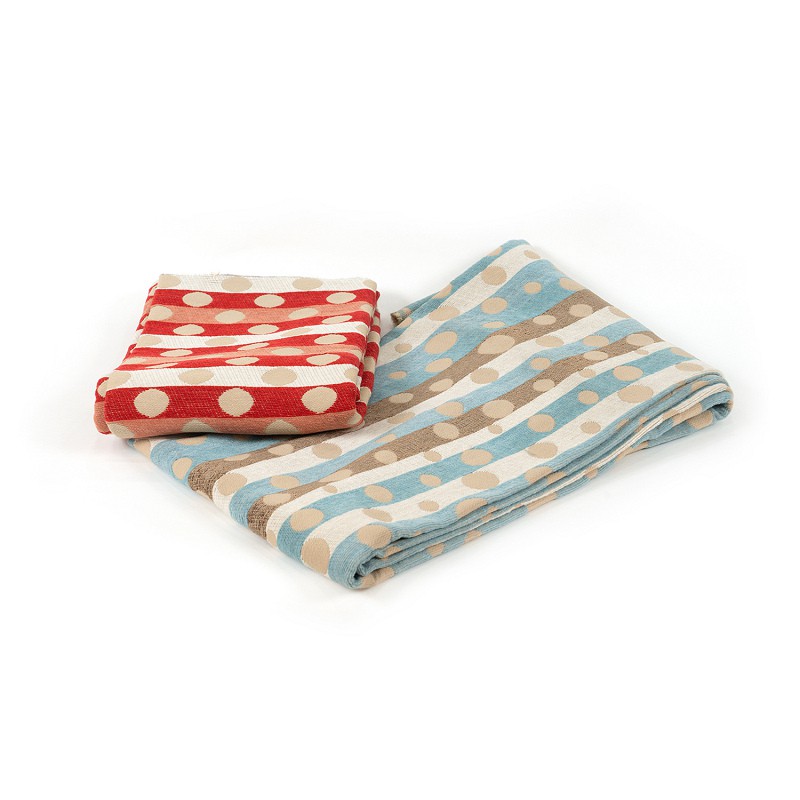
We use non-toxic dyes and inks for printing. These dyes and inks do not contain harmful chemicals and will not cause harm to human health. This ensures that the seat fabric will be used during use. No harmful substances will be released, thus ensuring the safety of users.

This fabric offers a wide range of options in colors, textures, and designs to suit different design needs. It also has a wide range of applicability and can be used in a variety of seating types, including car seats, furniture, office chairs, and other seating applications.

Printing curtain fabric is a kind of curtain decoration fabric. This fabric not only injects artistic charm into your curtains, but also provides multiple values for your home decoration.
What Is Jacquard Wall Fabric?
Jacquard wall fabric is an elegant finish intended to make a room feel beautiful, comfortable and acoustically sound. Jacquard is a type of fabric in which the colors and patterns are incorporated into the weave of the fabric itself, rather than being dyed or printed on. Jacquard can be woven from a number of different materials, and is available in many styles, colors, and textures.
Mainly prized for its ornamental properties, jacquard is also a relatively durable and heavyweight fabric, and it's possible to accentuate these attributes by weaving jacquard using wool or other durable materials. Uncommonly used in casual garments due to its complexity and relatively high cost, textile manufacturers more frequently use jacquard to make formal apparel such as evening wear and men's suits. This fabric is also a desirable material for homewares of all types including drapes, duvet covers, and furniture upholstery.
Brocade
Originally woven with silk, textile producers now offer synthetic, cotton, and even wool brocade fabric. Simple brocade features only two colors of yarn, but it's possible to weave brocade that involves more than five different colors.
Brocatelle
Brocatelle is similar to brocade, but it can only be produced using a Jacquard loom. This fabric commonly features patterns that are more complex than brocade, and its patterns have distinctive raised, puffed surfaces. Brocatelle is usually heavier and more durable than brocade.
Damask
Unlike brocade and brocatelle, damask is reversible, and this type of fabric generally only features one warp yarn and one weft yarn. While damask is significantly easier to weave than brocade, it's still faster and more efficient to produce damask using a Jacquard loom.
Matelassé
Commonly used to make coverlets and pillow shams, matelassé fabric features raised patterns. Originally stitched by hand, it's much easier to produce matelassé using a Jacquard loom or a quilting machine.
Cotton Jacquard
Cotton jacquard fabrics are usually less complex, and they are among the least expensive textiles made using Jacquard looms. Jacquard fabrics featuring cotton have largely replaced linen jacquard textiles.
Silk Jacquard
Considered to be the most luxurious type of jacquard fabric, silk jacquard is commonly used to make complex brocade patterns or tapestries. In previous centuries, silk was the primary fiber used to make brocade.
Wool Jacquard
While less fine than silk, wool is commonly used to make jacquard tapestries. Due to its insulative properties, wool jacquard is also sometimes used to make cold-weather garments like sweaters and gloves.
Synthetic Jacquard
Due to their inexpensiveness, some jacquard producers have opted to use synthetic fibers instead of silk, cotton, or wool. Synthetic jacquard is low-quality, however, and it has a decidedly negative environmental impact.
Jacquard Knit
Certain types of knitting machines can be equipped with devices similar to jacquard looms. These modified knitting machines produce knit fabrics with complex, jacquard-like patterns.
Benefits of Jacquard
Jacquard fabrics are highly durable. The fact that they are woven using a special loom means they are much less likely to tear or fray than other weave fabrics. Because they are so durable, vinyl fabrics are often used in applications where things might get a little rougher, like upholstery or drapery.
The Jacquard fabric is versatile and can also be used for a wide range of purposes. The patterns created with this fabric make it ideal for everything from clothing to curtains.
In contrast to other materials, Jacquard fabrics don't require intense washing or unique treatments to protect their hue and design. All they need is light dusting from time to time to keep them appearing new.
Lastly, Jacquard fabrics ooze luxury and will definitely make a lasting impression. Jacquard's complex patterns and wealthy aesthetic make it a go-to choice for posh clothing items and expensive home decor.
Jacquard fabric is a type of woven fabric. The process of creating this unique fabric involves weaving yarns onto a loom before using special tools to punch holes into the cardstock pattern cards, which correspond with threads on the loom's harnesses.
Jacquard fabric designs were originally created with the help of punch cards, which made up part of one section in jacquard weaving machines - the second significant kind of loom used for making textiles. After these punched cards had been inserted into the machine at regular intervals, warp threads were drawn.
The card reader passed each set piece thread through another slot to get to its final position on the completed weave before punching out the following hole pattern required by the weft yarns.
The different pattern comes from the way that it is made, not an added yarn or thread. It usually has geometric patterns on it because of its complex construction technique. Jacquards are pretty expensive to make, so they are often used for luxury clothing items like dresses and blouses rather than mass-produced fabrics found in stores.
How To Use Jacquard Fabrics In Interior Design
Dress Up Your Windows
Windows play an important role in every space, from both a functional and an ornamental perspective: they ensure proper ventilation to the home, add light, offer scenic views, and contribute to the design ensemble. If you want your windows to stand out as a beautiful décor element, dressing them up with jacquard curtains is the way to go. This is a simple and effortless way to add character and charm to any room, while also keeping the sun out and cooling your space on scorching summer days.
Give Your Furniture a Makeover
Tired of your old furniture pieces but still not willing to invest in new items? Then you might want to consider giving your furniture a makeover by using jacquard as an upholstery fabric. Jacquard weaves are highly resistant and long-lasting materials, which makes them ideal for upholstery. What's more, you can also purchase fire-treated jacquards to create unique furniture pieces that enhance both the design and the safety of your home.
Give Your Walls the Luxury Treatment
Change the color of your walls and you can change the entire look and feel of your home with minimum effort. But why stop at that? If you really want to breathe new life into your home and put your own personal stamp on the space, you might want to include some patterns into the equation. That's where jacquard wall treatments come into play, featuring unique patterns that can instantly spruce up your rooms. Unlike textile wallpapers, jacquard wall coverings are infinitely more luxurious, creating striking effects and adding depth to a space.
Accessorize Your Home
No home décor is complete until you bring in some accessories. And by that, we don't just mean mirrors, shelf and table items, or art pieces, but also soft furnishings. Accessories made of jacquard fabrics such as cushions, chair coverings, napkins, throws, or wall hangings are easy to integrate into your interior, regardless of the look, you're going for.
1. Before purchasing your fabric, measure out the space you're going to be covering to determine just how much fabric you'll need to bring home. Most fabric is 40" - 50" wide and is sold in yards.
2. After pre-washing the fabric (don't worry if it gets wrinkled), cut off the selvage edge with sharp scissors to avoid fraying the edges. Place a drop cloth under the area in which you plan to work. The liquid starch can get messy so be sure and protect your floors! Prep your wall by giving it a good wash and wait until it dries completely to move on to step 3.
3. This next step can be done a few different ways, but the end goal is the same: place the fabric where you want it to be on the wall. You'll need your buddy for this step. Have them place the fabric while you stand back and help them guide it into place. Using tacks or push pins will work great on sheetrock, but if you are attempting to cover a plaster wall or paneling, skip the tacks and grab the tape.
4. Coat the wall in fabric starch. Only coat the area that you will immediately be applying the fabric to - the starch dries fast! If it dries before you have a chance to stick the fabric, just add more.
5. Smooth the fabric down over the wall until it starts to adhere to the starch. Start from the top and work your way down, smoothing out wrinkles as you go (if at the edge of your wall, work out and down from the corner). Don't worry if it doesn't stick in all places, the next step will seal the deal.
6. Roll liquid starch over the top of the fabric. You want to totally saturate the surface, making sure the starch goes all the way through to the wall. Leave an overhang at your baseboards so you can cut it after it dries with your utility knife, giving it a nice, clean line. Be sure to get in to the corners with your fingers or a piece of cardboard to get everything to adhere.
7. After your fabric has dried completely, remove the tape/tacks from the top and starch above and beneath that area.
8. Take a straight edge and a utility knife and cut any excess fabric from the wall.
9. To remove the fabric from the wall, simply soak a sponge in warm water and apply it to the fabric. The fabric will easily peel off the wall, and won't bring any pre-existing finish underneath off with it!
Tips to Maintain Fabric Wall

Dust / Vacuum Your Wall Regularly
Gently vacuum your wall using the upholstery head brush attachment. Systematically, run the brush head from the top of the wall to the bottom. Ensure the entire upholstered wall is thoroughly vacuumed. Fabric wall should be vacuumed at least once a month or more frequently if you reside in dusty environment.
Attend To Stains Immediately
Although almost impossible since the fabric wall can be hardly touched, staining can still occur on fabric wall caused by moisture, mold, or accidental staining caused by food or even pen mark. Whenever stains occur, rule of the thumb is always attend to the fresh spillage as soon as possible. Stains that are unattended can easily form into permanent mark. Even water spillage can become a permanent watermark if not attended to quickly. For water spillage, always dry the wet area quickly with hair dryer using the cool mode. This action will prevent watermark from forming.
Other stains like mold, food spillage etc, blot the spot first using a damp cloth and mild dishwashing detergent. Always rinse the detergent by blotting the spot with clean cloth and some water and end the spot cleaning by drying the wet area. Stains on wallpaper are trickier to manage as they are more delicate and can tear easily if done in the wrong way. You should check with the wallpaper retailer / installer for advice when you want to remove stain.
Regular Thorough Cleaning
Some washable wallpaper can be cleaned with particular cleanser and cloth. Check the products with your wallpaper retailer to ensure products are safe for use. If stains have been spotted and cannot be removed despite after trying to remove them yourself, professional service should be engaged to help remove the stains quickly before the stains penetrate into the fibre.
Our Factory
Below is our production workshop:


Our Certificate


Frequently Asked Questions
Q: What are the limitations of jacquard?
Q: What is jacquard fabric good for?
Q: Is jacquard fabric for summer or winter?
Q: What kind of fabric is best for walls?
Q: What do you use to put fabric on walls?
Q: How do you attach fabric to a wall without damaging it?
Q: How do you drape fabric on a wall?
Q: Can you put fabric on the wall like wallpaper?
Q: How much fabric do I need to cover a wall?
Q: Can I staple fabric to a wall?
Q: What are the disadvantages of jacquard fabric?
Q: How do you clean jacquard fabric?
Q: Can you wash jacquard fabric?
Q: Is jacquard fabric natural or synthetic?
Q: Is jacquard fabric good or bad?